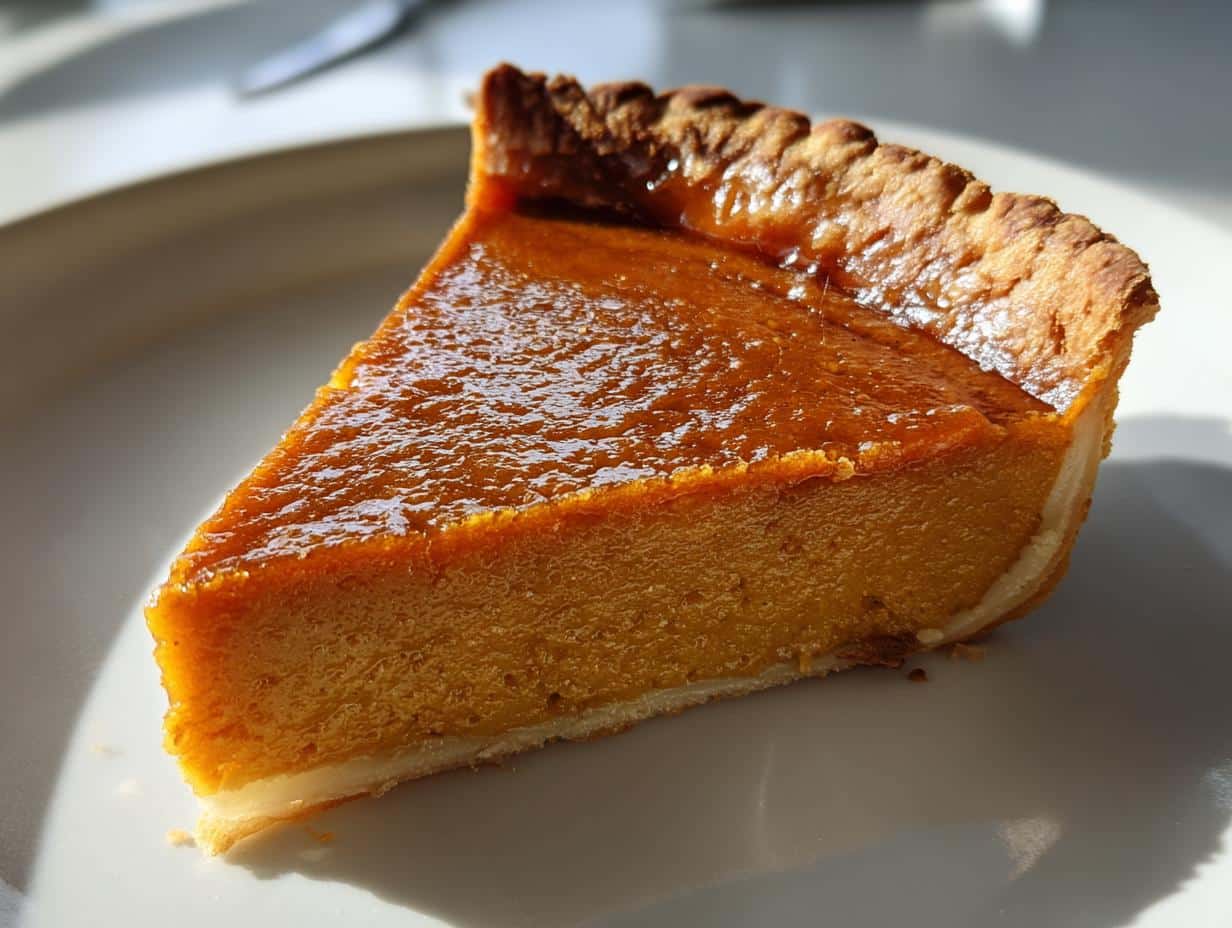
Secrets to Foolproof Pumpkin Pie: No Cracks, Rich Flavor
Few desserts evoke the warmth and joy of the holiday season quite like pumpkin pie. It’s the quintessential centerpiece of Thanksgiving tables, a creamy, spiced delight that beckons with every fragrant whiff. In fact, pumpkin pie has become so synonymous with festive gatherings that "pumpkin spiced" everything, from lattes to donuts, floods the market during the autumn months. But while the market offers convenience, creating a homemade pumpkin pie from scratch offers an unmatched depth of flavor and a profound sense of accomplishment.
The quest for the perfect pumpkin pie often comes with a few common anxieties: will the crust be soggy? Will the custard crack? Will the flavor be as rich and vibrant as you imagine? This comprehensive guide will unlock the secrets to a truly foolproof pumpkin pie recipe – one that consistently delivers a silky-smooth, crack-free custard and an intensely flavorful experience that will leave your guests begging for more. Get ready to bake a pie that embodies pure comfort and tradition.
The Heart of the Pie: Canned vs. Homemade Pumpkin Purée
The foundation of any great pumpkin pie is, naturally, the pumpkin itself. When embarking on your homemade pumpkin pie journey, you face a pivotal choice: do you reach for the convenience of canned pumpkin purée, or do you craft your own from a fresh sugar pumpkin?
Canned pumpkin purée is a reliable workhorse, guaranteeing a consistently smooth texture and good flavor profile for your pumpkin pie recipe. It's an excellent choice for busy bakers or when fresh pumpkins aren't readily available. However, for those seeking a truly extraordinary pie, making your own purée is a game-changer. Roasting a sugar pumpkin (or other flavorful winter squash like kabocha or butternut) unlocks a deeper, more nuanced, and significantly richer flavor that canned varieties simply can't replicate.
To illustrate this point, consider a blind taste test conducted by fellow enthusiasts. In such an experiment, slices from a canned pumpkin pie and a pie made with puréed roasted sugar pumpkin were presented side-by-side. The overwhelming consensus among adults favored the roasted pumpkin pie, noting its superior richness and complexity. While children might not always discern the subtle differences, for those who appreciate gourmet baking, the extra effort of homemade purée pays off handsomely. It’s a secret that elevates your Homemade vs. Canned Pumpkin Pie: The Ultimate Taste Test, transforming it from good to truly unforgettable.
Crafting Your Own Pumpkin Purée: A Simple Guide
If you're ready to experience the unparalleled flavor of homemade purée, here’s how to do it:
- Preparation: Start with a medium-small sugar pumpkin (or a similar flavorful squash). Cut it in half and meticulously scrape out all the seeds and fibrous strands. Tip: Don't discard the seeds! Roast them for a delicious, crunchy snack.
- Roasting Method: Line a baking sheet with parchment paper or foil for easy cleanup. Place the pumpkin halves cut-side down on the prepared sheet. Bake at 350°F (175°C) for about 1 to 1 1/2 hours, or until the flesh is fork-tender.
- Steaming Alternative: For a slightly different texture, cut the pumpkin into smaller sections and steam them in a saucepan with an inch or two of water at the bottom until soft. Be sure to drain thoroughly before proceeding.
- Puréeing: Once cooked and cooled sufficiently to handle, scoop out the soft pulp. For a perfectly smooth purée, process the pulp in a food processor until silky. If you desire an ultra-fine, velvety texture, you can push the purée through a food mill or a chinois.
Once made, your homemade purée can be used immediately or stored in the refrigerator for a few days, or frozen for longer keeping.
Crafting the Perfect Spice Blend for Unforgettable Flavor
When people refer to "pumpkin spice," they are, in essence, talking about the aromatic symphony of flavors found in a classic pumpkin pie. This iconic blend typically consists of ground cinnamon, ginger, nutmeg, and either cloves or allspice. These spices, in harmony, create that comforting, warm, and inviting taste that defines the season.
However, for a pumpkin pie that truly sparkles and stands out from the crowd, there’s a secret ingredient that discerning bakers often add: a touch of ground cardamom. Just an eighth of a teaspoon might not seem like much, but this small addition infuses the pie with a bright, citrusy, and subtly floral note that elevates the entire flavor profile. It’s an unexpected twist that provides a layer of sophistication without overpowering the traditional spices. For a deeper dive into this game-changing spice, explore Elevate Your Pumpkin Pie: The Unexpected Cardamom Secret.
Tips for the Best Spice Blend:
- Freshness Matters: Spices lose their potency over time. For the most vibrant flavor, ensure your ground spices are fresh. Consider buying whole nutmeg and grating it yourself just before use – the difference is astounding.
- Balance: While you can experiment with proportions, a good starting point is a generous amount of cinnamon, balanced by ginger, nutmeg, and either cloves or allspice. Remember that cloves and allspice offer similar flavor profiles, so typically, you wouldn't need both.
- The Cardamom Touch: Don't skip the cardamom! It's the secret weapon for a truly memorable pie.
Mastering the Bake: Achieving a Crack-Free Pumpkin Pie
The dreaded crack down the center of an otherwise perfect pumpkin pie is a common frustration for many bakers. Fortunately, achieving a beautifully smooth, unblemished surface is entirely possible with a few strategic adjustments to your baking process.
One of the most effective techniques for preventing cracks and ensuring an evenly cooked custard is a two-stage baking temperature. This method involves starting the pie at a higher temperature, typically 425°F (220°C), for a short initial period (around 15 minutes). This initial blast of heat helps to quickly set the edges of the crust and the filling. Afterward, the oven temperature is reduced to 350°F (175°C) for the remainder of the baking time. This gradual, gentler heat allows the custard to cook through evenly without curdling or expanding too rapidly, which are primary causes of cracking.
Another common question among pie bakers is whether to blind bake the crust. For this pumpkin pie recipe, the answer is a resounding no. Simply pour your luscious pumpkin filling into an unbaked, chilled, or even frozen pie crust. The beauty of pumpkin pie custard is that it bakes at a rate compatible with a raw pie crust. This means your crust will become beautifully golden and flaky, and the filling will set perfectly, all without the extra step of pre-baking.
How to Tell When Your Pumpkin Pie is Done:
Overbaking is another major culprit behind cracked pies and dry custard. To ensure a perfect texture, knowing when your pie is just right is crucial:
- The Jiggle Test: Gently shake the pie dish. The edges of the pie should appear set and firm, but the very center (about 1-2 inches in diameter) should have a slight, delicate jiggle, like gelatin. This indicates that the pie is cooked through but hasn't gone too far.
- Internal Temperature (Optional but Accurate): For ultimate precision, insert an instant-read thermometer into the center of the pie. It should register between 175°F and 180°F (80°C to 82°C).
Once the pie is done, resist the urge to cut into it immediately. Allow it to cool completely on a wire rack, preferably for several hours, or even overnight. As the pie cools, the residual heat will continue to cook the center, and the custard will firm up, preventing cracks and allowing the flavors to meld beautifully. Chilling the pie for a few hours before serving also enhances its texture and makes for cleaner slices.
Essential Ingredients for Your Foolproof Pumpkin Pie Recipe
While the techniques are key, the quality of your ingredients plays an equally vital role in the success of your pumpkin pie recipe. Here's a quick overview of what you'll need to create this classic delight:
- Pure Pumpkin: Whether homemade roasted purée for superior flavor or a high-quality canned unsweetened pure pumpkin, this is the star.
- Sweetener: Light brown sugar is often preferred for its molasses notes, which complement the pumpkin and spices wonderfully.
- Eggs: These act as the primary binder and provide structure to the custard. Lightly beaten eggs ensure smooth incorporation.
- Dairy: Half-and-half is a popular choice, providing richness and tenderness without being overly heavy, creating a truly luxurious custard.
- Spices: Fresh ground cinnamon, ginger, nutmeg, and allspice (or cloves). Don't forget that secret sparkle of ground cardamom!
- Salt: A small amount of salt enhances all the other flavors, preventing the pie from tasting flat.
- Pie Crust: While the filling is the star, a flaky, buttery homemade pie dough truly elevates the experience. However, a good quality store-bought crust can also yield excellent results, especially when chilled or frozen before filling.
Conclusion
Crafting the perfect pumpkin pie doesn't have to be an all-day project filled with anxiety. By understanding the nuances of your ingredients, especially the choice of pumpkin purée and a thoughtfully balanced spice blend, and by employing smart baking techniques like the two-stage temperature and the "jiggle test," you can confidently create a flawless, crack-free pumpkin pie with a rich, complex flavor that will undoubtedly become a cherished holiday tradition. So, gather your ingredients, embrace these secrets, and prepare to delight your family and friends with a homemade pumpkin pie that truly stands out – a testament to the comforting magic of homemade goodness.
