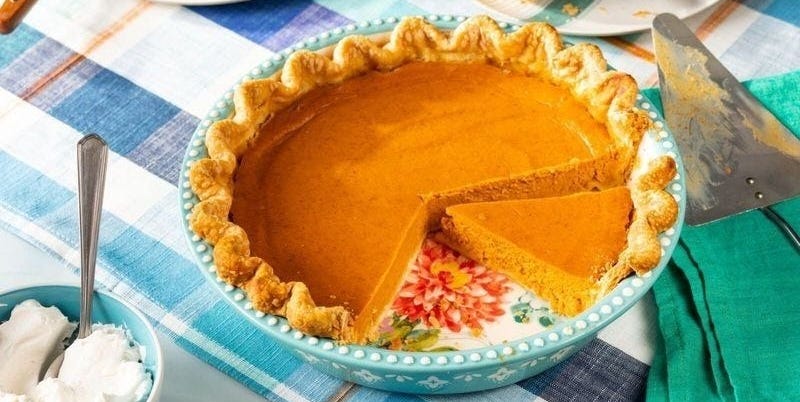
Homemade vs. Canned Pumpkin Pie: The Ultimate Taste Test
As the leaves turn and the air grows crisp, one dessert reigns supreme at holiday tables across the land: pumpkin pie. It’s more than just a sweet treat; it’s an icon of autumn, a symbol of togetherness, and the star of countless Thanksgiving feasts. In fact, pumpkin's popularity around the holidays is so pervasive that "pumpkin spiced" variations can be found in everything from lattes to donuts, signaling the season's arrival long before the first snow. For many, crafting the perfect pumpkin pie recipe is a cherished annual tradition, but it often brings forth a fundamental question: should you opt for the convenience of canned pumpkin purée or embrace the deeper flavors of homemade?
This isn't just a matter of convenience; it's a debate about flavor, texture, and the very soul of your pie. While a quality pumpkin pie recipe can shine with either option, understanding the nuances between canned and scratch-made purée can elevate your baking from simply good to truly unforgettable. Join us as we delve into the ultimate taste test, exploring the pros and cons of each approach and helping you decide which path to pumpkin pie perfection is right for you.
The Great Purée Debate: Canned Convenience vs. Homemade Depth
When you embark on making a classic pumpkin pie recipe, your choice of purée sets the foundation for its flavor profile. Both canned and homemade pumpkin purée have their merits, and understanding these can guide your decision based on your time, resources, and desired outcome.
Canned Pumpkin Purée: The Reliable Workhorse
For decades, canned pumpkin purée has been the unsung hero of countless kitchens. Its appeal is undeniable:
- Unmatched Convenience: Open a can, and you're halfway to your filling. There's no washing, chopping, roasting, or mashing required, saving significant time during busy holiday preparations.
- Consistent Results: Canned purée offers a remarkably uniform texture and moisture content, which can lead to more predictable baking results. You're less likely to encounter a watery filling or an overly dense pie.
- Widespread Availability: Easily found in almost any grocery store, canned pumpkin purée is accessible to everyone, ensuring your pumpkin pie recipe can be made regardless of the season or your proximity to fresh sugar pumpkins.
While canned purée provides a consistently good result, some argue it lacks the nuanced depth that truly makes a pie sing. It's a solid baseline, but perhaps not the peak of pumpkin flavor.
Homemade Pumpkin Purée: A Labor of Love for Richer Flavor
For those willing to invest a little extra effort, making your own pumpkin purée from scratch promises a rewarding culinary experience and a distinct flavor advantage. The secret lies in using the right kind of pumpkin or winter squash.
- Deeper, More Complex Flavor: Roasting a sugar pumpkin (or flavorful alternatives like kabocha, butternut squash, or even Cinderella pumpkins) caramelizes its natural sugars, intensifying its sweetness and imparting a profound, earthy depth that canned purée simply can't replicate. This rich foundation creates a truly stand-out pumpkin pie recipe.
- Control Over Ingredients: Making your own purée means you know exactly what goes into it – just pure squash, free from any potential additives or preservatives.
- Customizable Texture: You can control the smoothness of your purée, opting for a slightly rustic texture or pressing it through a food mill or chinois for an ultra-silky consistency.
How to Make Homemade Pumpkin Purée:
The process is straightforward. Start with a medium-small sugar pumpkin (these are denser and less watery than carving pumpkins). Cut it in half, scoop out the seeds (save them for roasting for a delicious snack!), and place the halves cut-side down on a foil or Silpat-lined baking sheet. Roast at 350°F (175��C) for 1 to 1 1/2 hours, or until fork-tender. Once cooled, scoop out the pulp and mash or blend it to your desired consistency. An alternative method is steaming cut pumpkin sections until soft, then straining and puréeing. Whichever method you choose, the resulting purée will bring an unparalleled vibrancy to your pumpkin pie recipe.
The Ultimate Taste Test Unveiled: A Flavorful Revelation
To truly settle the debate, one must put theory to the test. A real-world experiment involved two identical pumpkin pies, baked side-by-side using the same pumpkin pie recipe, with one crucial difference: one pie featured canned pumpkin purée, the other, purée made from a freshly roasted sugar pumpkin. The pies were then offered to a group of discerning tasters, including adults and children, who sampled each slice blind, unaware of its origin.
The results were enlightening. Among the adults, there was a clear preference for the pie made with roasted pumpkin. Tasters described it as having a "richer," "deeper," and more "authentic" flavor. The subtle caramelization from the roasting process seemed to translate into a more complex and satisfying taste experience. It wasn't just pumpkin; it was roasted pumpkin, with all its inherent warmth and sweetness.
Children, perhaps with less developed palates or a preference for familiar flavors, had mixed reactions. One child favored the canned purée pie, while the others expressed no strong preference, happily devouring both slices (along with all the whipped cream, of course!). This suggests that while the discerning palate may detect and appreciate the nuances of homemade, both versions are undeniably delicious and universally enjoyed.
Crafting the Perfect Pumpkin Pie: Beyond the Purée
While the choice of purée is paramount, an exceptional pumpkin pie recipe relies on several other crucial elements that contribute to its overall harmony and appeal.
The Spice Symphony: More Than Just "Pumpkin Spice"
When we speak of "pumpkin spice," we're really referring to the aromatic blend of spices traditionally found in pumpkin pie. The classic quartet includes cinnamon, ground ginger, nutmeg, and a touch of cloves or allspice (which share similar flavor profiles, so you typically don't need both). For a truly unforgettable pie, consider adding a secret ingredient: a whisper of ground cardamom. Just an eighth of a teaspoon can introduce a bright, citrusy, and slightly floral note that gives the pie an unexpected "sparkle," elevating it beyond the ordinary. Discover how this subtle addition can transform your dessert in our article: Elevate Your Pumpkin Pie: The Unexpected Cardamom Secret.
For the best flavor, use freshly ground spices whenever possible. Whole nutmeg grated just before use is particularly potent and fragrant.
The Flawless Crust: No Blind Baking Required
One common concern for pie bakers is the crust. Many recipes call for blind baking, or pre-baking, the pie crust to prevent sogginess. However, for a well-designed pumpkin pie recipe, this step is often unnecessary. Simply pour your luscious pumpkin filling into an unbaked, chilled, or frozen pie crust. The beauty of pumpkin pie custard is that it sets and cooks at a similar rate to the crust, resulting in a perfectly baked bottom that's flaky and tender, not soggy. For more tips on achieving a perfect crust and filling, explore our guide: Secrets to Foolproof Pumpkin Pie: No Cracks, Rich Flavor.
The Art of Baking: Temperature Control for Perfection
Achieving a perfectly cooked pumpkin pie—one with a creamy, set custard and no unsightly cracks—often involves a two-stage baking process. Typically, the pie starts at a higher temperature (around 425°F or 220°C) for the first 15-20 minutes, then the temperature is reduced to a moderate 350°F (175°C) for the remainder of the baking time (about an hour total). This initial burst of high heat helps set the crust and edges, while the lower temperature ensures the custard cooks evenly through to the center without overbaking or cracking. The pie is done when the edges are set, and the center has a slight jiggle when gently shaken.
Tips for Your Best Pumpkin Pie Ever
- Choose Your Pumpkin Wisely: If making your own purée, opt for "sugar" or "pie" pumpkins, or other flavorful winter squash like kabocha or butternut. Avoid large carving pumpkins, which are watery and stringy.
- Fresh Spices Make a Difference: Always use fresh, high-quality spices. Consider grinding whole spices like nutmeg and cinnamon sticks just before use for maximum impact.
- Don't Overbake: Overbaking is the primary culprit behind cracked pumpkin pies. The pie should still have a slight wobble in the center when you take it out of the oven, as it will continue to set as it cools.
- Cool Completely: Allow your pumpkin pie to cool fully at room temperature before slicing. This allows the custard to firm up completely, ensuring clean, elegant slices.
- Serve with Panache: A dollop of freshly whipped cream is the quintessential accompaniment to pumpkin pie. A light dusting of cinnamon or a candied pecan can add an extra touch of elegance.
Conclusion
Whether you choose the convenience of canned pumpkin purée or embark on the rewarding journey of making your own from scratch, both paths can lead to a delicious, heartwarming pumpkin pie. The taste test clearly indicated that homemade purée offers a richer, more complex flavor profile, appreciated by adult palates seeking that extra depth. However, canned purée reliably delivers a consistently good pie that satisfies every time, especially when time is of the essence.
Ultimately, the "ultimate taste test" reveals that the best pumpkin pie recipe is the one that brings joy to your table and suits your baking style. Experiment with both methods, savor the process, and most importantly, enjoy the comforting taste of this beloved holiday classic. Happy baking!
